
The direct answer: Checkatrade’s 2026 UK pricing guide lists an average carpenter rate of about £37.50 per hour and an average day rate of about £300. It shows general and finish carpentry commonly ranging from £30 to £45 per hour. Specialist work, South East demand and the actual scope can cost more.
| Pricing basis | Indicative figure | Best used for |
|---|---|---|
| General or finish carpentry | £30–£45 per hour; about £37.50 average | Smaller, defined tasks where hourly pricing is appropriate |
| Carpenter day rate | About £300 average | Work that sensibly occupies most or all of a working day |
| Bespoke or specialist work | Project-specific; can be higher | Made-to-measure interiors, complex details and higher-risk work |
Source: Checkatrade, Carpentry Prices Guide 2026. Market guides vary and cannot replace a quotation based on the actual property, drawings, materials and access.
Why the hourly rate is not the whole price
An hourly figure tells you very little unless you also know what one person is expected to deliver, what has been allowed for and which costs sit outside the rate. A more experienced carpenter may complete accurate work faster, identify a sequencing problem before it becomes expensive and arrive with specialist tools that a cheaper rate does not include.
For fitted wardrobes, kitchens, roofs, extensions and larger renovation work, the more useful question is often: “What will the defined scope cost, and what is excluded?”
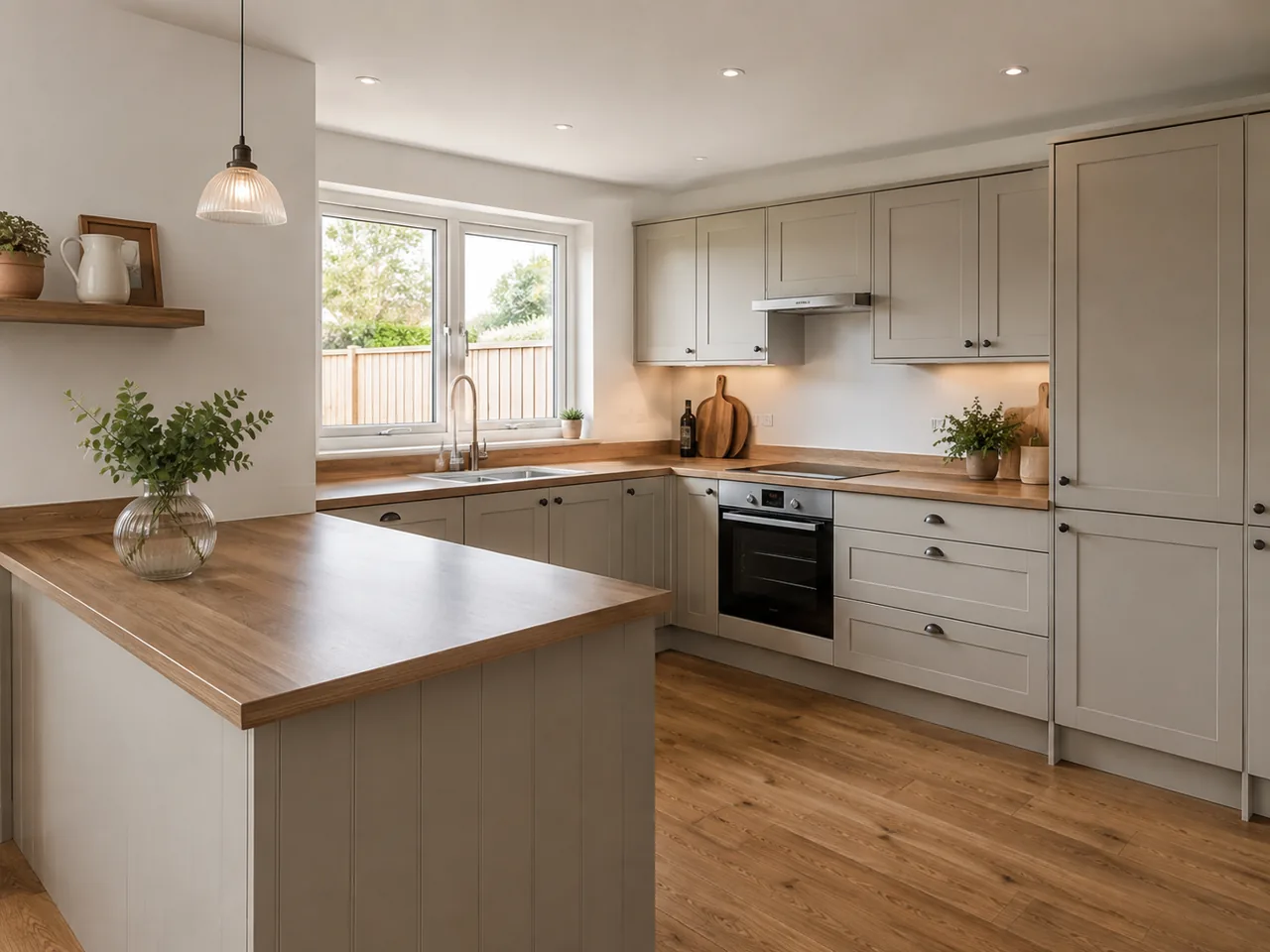
Eight factors that change a carpentry quotation
1. The type and complexity of work
Hanging a standard internal door, fitting a kitchen, scribing a wardrobe into an uneven room and forming a structural roof require different experience, time, tools and risk allowances.
2. Drawings and design information
Clear dimensions, structural details and specifications make scope easier to price. Missing or changing information creates uncertainty and may require further design input.
3. Materials and finish
Timber species, sheet materials, ironmongery, pre-finished components, worktops, decorative mouldings and paint-grade versus clear-finished details can move the total significantly.
4. Existing conditions
Out-of-square walls, damaged substrates, previous alterations, concealed services and limited fixing grounds can add preparation or require a different detail.
5. Access and occupied-home protection
Parking, loading distance, stair access, restricted working space and protection of floors or finished rooms affect setup and productive time.
6. Other trades and sequencing
Electrical, plumbing, plastering, roofing or decorating dependencies can create separate visits and require decisions before carpentry can be completed.
7. Waste, delivery and consumables
Fixings, adhesives, blades, collection, delivery, disposal and specialist equipment may be included, itemised or excluded. The quotation should tell you.
8. VAT and business structure
Do not assume the VAT position. Ask whether the quoted total includes VAT and compare every proposal on the same basis.
Hourly rate, day rate or fixed project quotation?
Hourly pricing
This can suit a genuinely small task or investigative work where the duration cannot reasonably be fixed. Ask whether there is a minimum charge, what counts as chargeable time and whether materials or travel are additional.
Day-rate pricing
A day rate can suit a defined run of work where both parties understand the expected output. Confirm what a working day means, how many days are anticipated and when approval is needed for extra days.
Fixed project quotation
This is usually easier to compare for fitted interiors, kitchens, structural timber and renovations—provided the scope is detailed. A fixed figure without clear inclusions can be less useful than a transparent price with sensible assumptions.
Why Sixes prices the project information first
Sixes Carpentry offers free, no-obligation quotations. The starting information is the property or site, project type, rough timing and any useful photographs, dimensions, drawings or specifications. Where a condition or design point still needs clarification, it should be identified before a confident project price is treated as final.
How to compare two carpentry quotes fairly
Put the quotations side by side and mark each of the following as included, excluded or unclear:
- Labour and the exact work areas.
- Materials, fixings, hardware and finishes.
- Delivery, parking, travel or collection charges.
- Preparation, removal and making good.
- Waste removal and site protection.
- Other-trade coordination and return visits.
- VAT status and total payable price.
- Programme, validity period and payment stages.
- Assumptions, exclusions and variation process.
A cheaper total may still be good value, but only after you have checked that it buys the same result. Citizens Advice recommends comparing written quotations and checking the breakdown, materials, VAT and circumstances in which the price could change.
What fine workmanship is worth paying for
Quality is not an excuse for a vague premium; it should be visible in the method and evidence. For Sixes Carpentry’s project types, value may be found in:
- Accurate setting-out before repeated work begins.
- Correct support, fixings and backing at hidden stages.
- Careful scribes, reveals, margins and junctions.
- Practical coordination with the existing building and other trades.
- Protection of adjacent finishes and a considered handover.
- Clear communication when a condition changes the original plan.
See the trustworthy carpenter checklist for the evidence to check and the 15 questions to ask before hiring.
Frequently asked questions
How much does a carpenter cost per hour in the UK in 2026?
Checkatrade’s 2026 UK guide lists about £37.50 per hour as an average, with general and finish carpentry commonly shown in a £30 to £45 range. This is market guidance, not a Sixes Carpentry price.
What is a typical carpenter day rate in 2026?
Checkatrade lists about £300 per day as an average UK carpenter day rate. Location, experience, specialism, project risk and what is included can change the figure.
Is an hourly rate or fixed quote better?
Hourly pricing can suit genuinely small or uncertain tasks. A defined project quotation is usually easier to compare for fitted interiors, kitchens, structural work and renovations because it can state the scope, materials, assumptions and exclusions.
Are materials and VAT included in a carpenter’s rate?
Not necessarily. Ask every trader to state separately whether materials, fixings, waste, travel and VAT are included so quotations can be compared like for like.
Does Sixes Carpentry offer free quotations?
Yes. Sixes Carpentry offers free, no-obligation quotations for suitable projects, based on the project information and scope discussed.
Pricing checked on 1 September 2026. Figures are indicative UK consumer-market guidance and may change. They are not a Sixes Carpentry rate card, estimate or quotation. Request a project-specific written quotation and confirm inclusions, exclusions and VAT.
Send the location, project type, approximate timing and any useful photographs or drawings for a free, no-obligation quotation.